
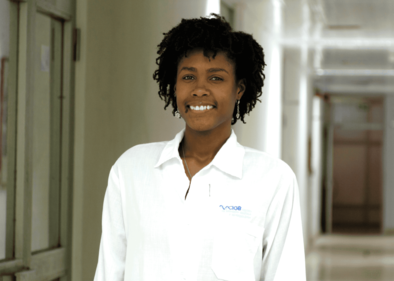
A conversation with researcher MSc. Karen Urrutia Pérez
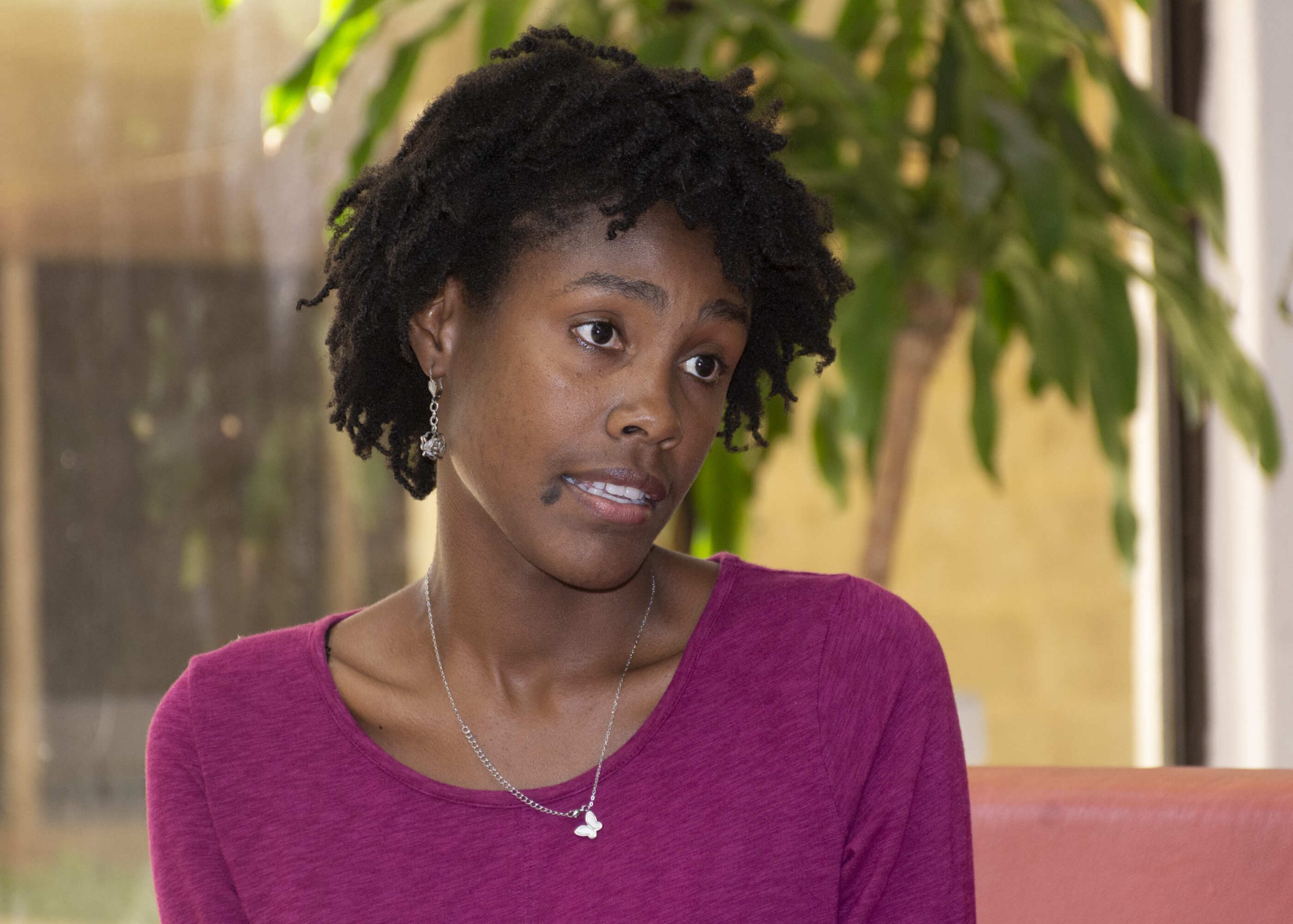
I hold a degree in Pharmaceutical Sciences, and in 2025 I defended my master’s thesis in Contemporary Biotechnology, with a specialization in Clinical Trials. I have always loved the sciences, especially everything related to medicines, although I thought I didn’t have the skills to work directly with patients. That’s why I looked for a career linked to medicines that wasn’t Medicine—a profession I admire but which requires a very specific calling.
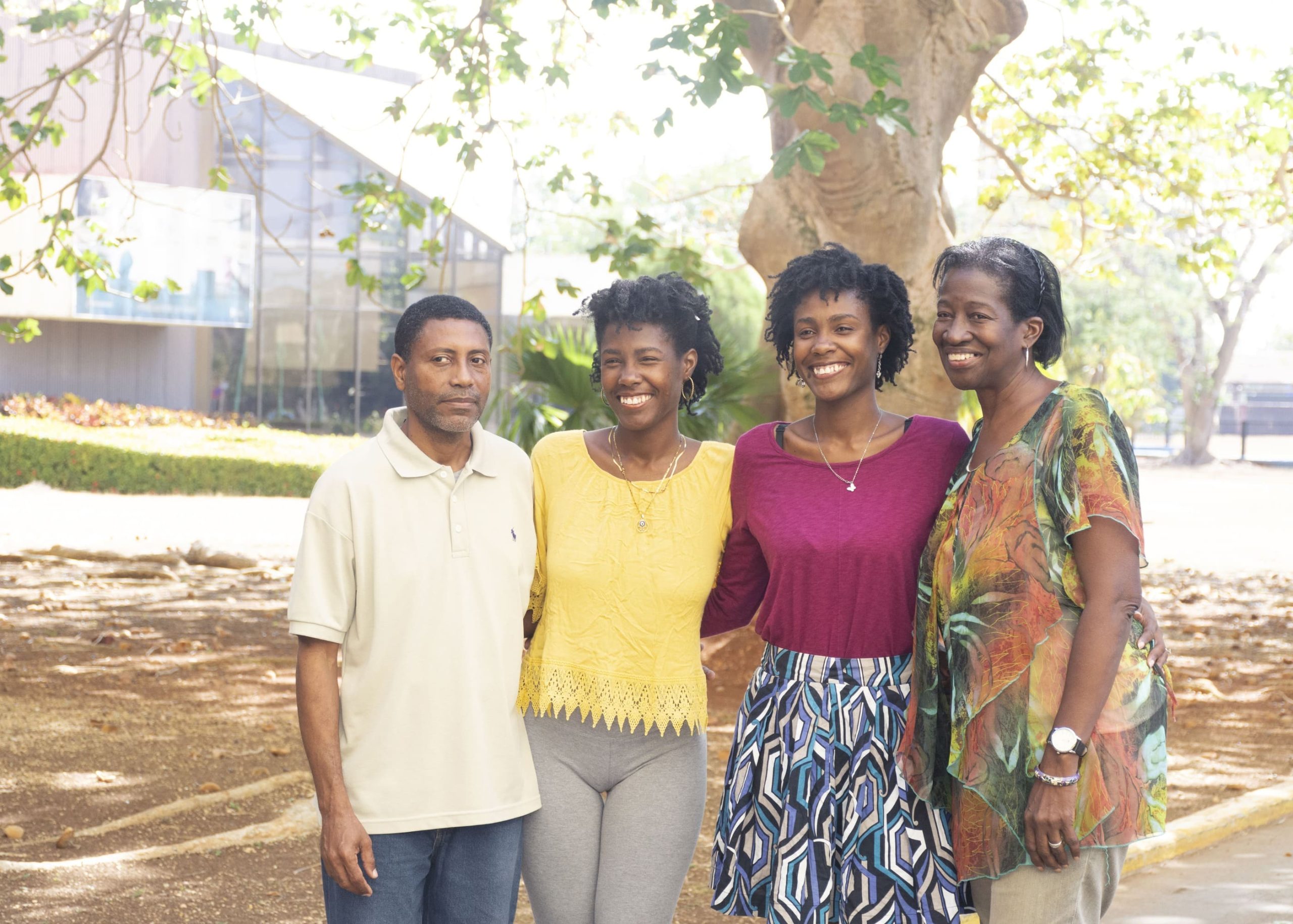
In a conversation with my parents, the idea of studying Pharmaceutical Sciences at the Institute of Pharmacy and Food (IFAL) of the University of Havana came up. They managed to motivate me. I submitted my application, took the entrance exams, and was admitted to the program, which I studied alongside my twin sister.
At the end of the first years of training, the time came to decide where to do our work placements. We spoke with Dr. Julio Baldomero, current Director of Clinical Research and an employee of the Center for Genetic Engineering and Biotechnology (CIGB), who told us about the work of the Clinical Research Directorate, its plans for young people, the broad field of research, the development of clinical trials, and their relevance. All of this sparked our interest.
He took us to see the Directorate, located on the site where Cuban biotechnology was founded: the first house converted into a laboratory. There we were introduced to the researchers and integrated into priority projects. That is how we began our work placements, with Dr.C. Francisco Hernández Bernal as our tutor, who has guided us to this day. Once we graduated, at the request of the CIGB, we were assigned to that Directorate.
A typical workday for me is dynamic. We are dedicated to the clinical research of biotechnological products developed at the CIGB. After biomedical research, non-clinical studies in biomodels, and technological development, these products move into the clinical research phases in humans. During the execution of clinical trials, I participate in patient enrollment, visits to clinical sites—mainly hospitals—and direct work with researchers. At the workplace, I perform duties as a researcher: searching for and analyzing bibliographic references, drafting clinical trial protocols, collaborating with colleagues on design, writing final reports, and engaging in scientific debate.
Research at the CIGB is very diverse, as the institution covers multiple fields. I am currently involved in cancer-related projects; however, the one that has left the biggest mark on me, as a recent graduate, was related to the Abdala vaccine against COVID-19. When we started working at the CIGB in late 2019, it coincided with the beginning of the pandemic. In that context, Cuban scientists took on the challenge of developing our own vaccines. Once the effect was demonstrated in non-clinical biomodels, it was essential to move forward with evaluating them in humans.
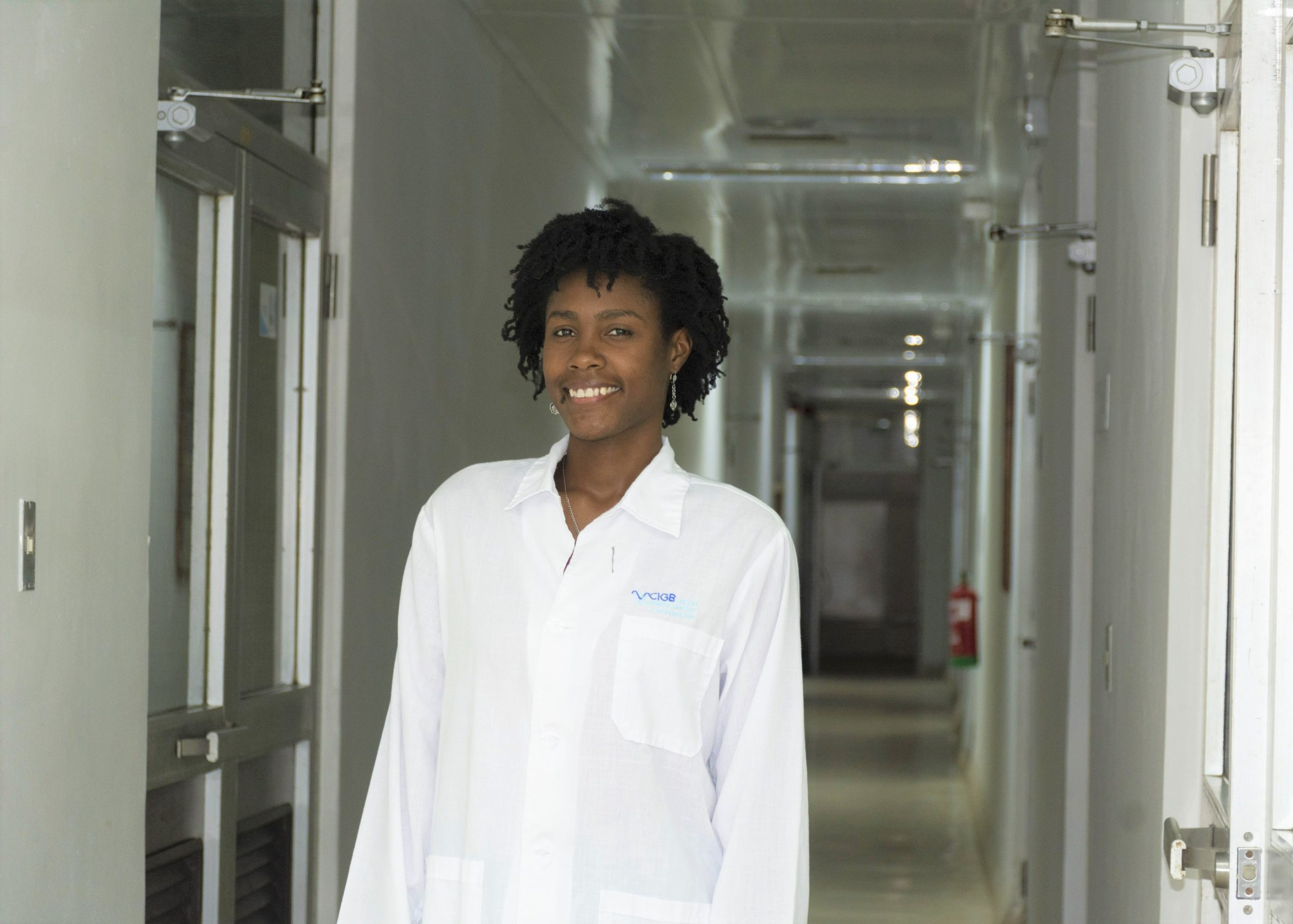
At that time, even though we were recent graduates, we had the opportunity to join the clinical trial group: a team with extensive experience and solid know-how. We were assigned the task of traveling to Santiago de Cuba to work with the then vaccine candidate. Throughout phases 1, 2, and 3, that candidate advanced to become the Abdala vaccine. It was the greatest challenge of our lives, because in that context, everyone longed to have a vaccine, to be able to take off our face masks, and to reduce the fear of falling ill.
The challenge was enormous, not only because of the need to demonstrate the safety, efficacy, and effectiveness of the vaccine candidate, but also because of the responsibility to rigorously comply with good clinical practices. It was essential that the trials be conducted with the utmost scientific rigor, ethics, and quality, in keeping with the expectations of the Cuban people and the trust placed in Cuban science.
It was also our first direct experience in a phase 1 clinical trial, which provided safety results and initial indications of efficacy. We then participated in phase 2, which demonstrated Abdala’s ability to stimulate the immune response. Finally, the phase 3 clinical trial—of which I am deeply proud—was the largest ever conducted in Cuba, with more than 48,000 volunteers. Many people decided to participate without knowing whether they would receive the vaccine candidate or the placebo. That commitment reflects a high level of awareness and the deep trust of the people in Cuban science. Seeing the hope reflected on their faces drove us to complete the trials successfully. Subsequently, Abdala received emergency use authorization and was administered to most of the Cuban population, and even in other countries. For me, this represents the most important milestone of my life, because it helped transform the reality of a country: we stopped wearing face masks, infections decreased, as did severe and critical cases, until we reached the relative normality we have today.
Last year we also worked with the product Nasalferon, which was used during the pandemic for its prophylactic effect, even before vaccines were developed, in high-risk areas and among exposed medical personnel. We participated in the first clinical trial that demonstrated its prophylactic effect, and later in the trial that showed its therapeutic effect. Today it is a product for the treatment of acute respiratory infections, available in community pharmacies with a medical prescription.
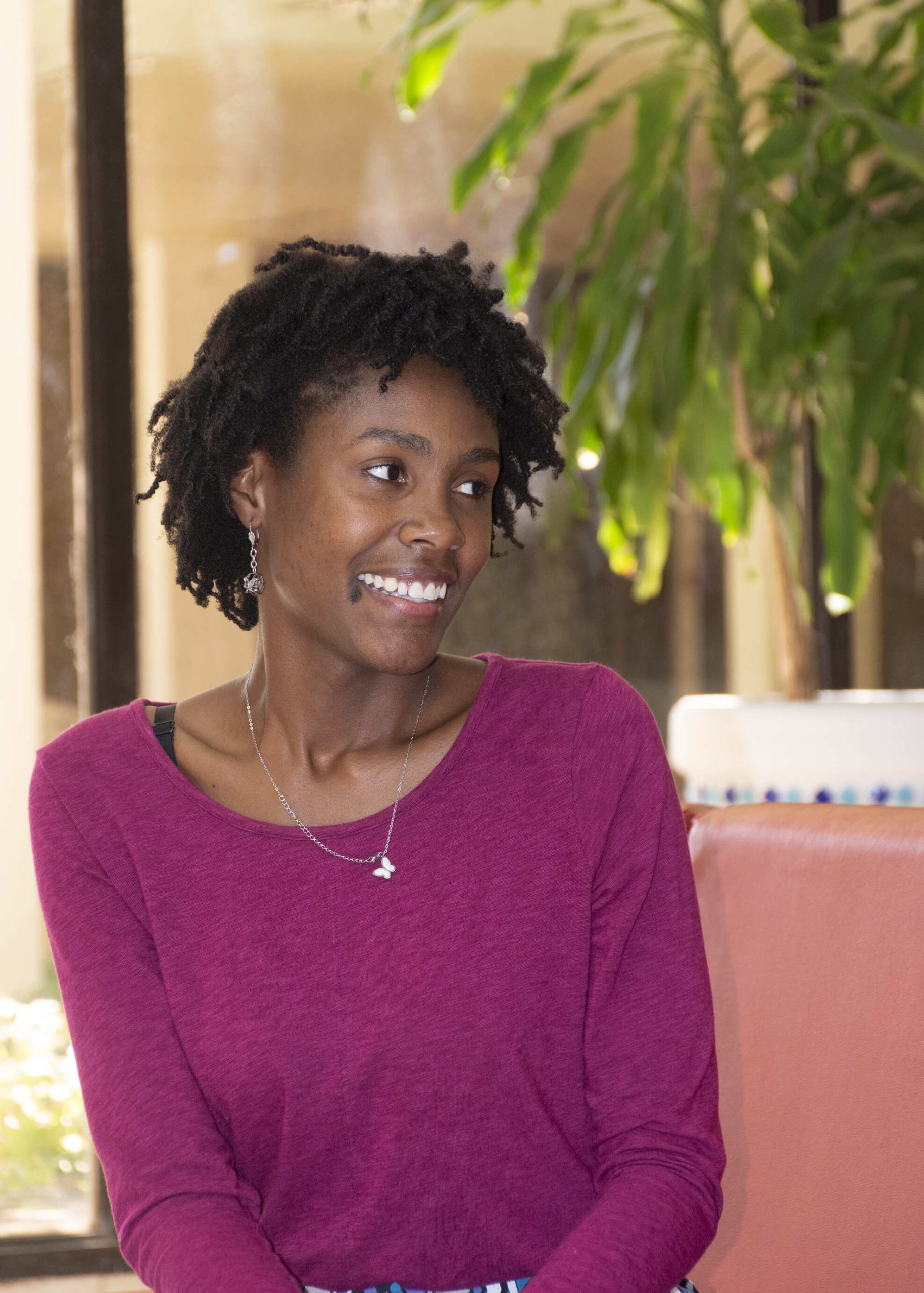
Regarding cancer, I joined projects that were already underway, such as the use of HeberSavax for ovarian cancer, although it is still in the research phase.
Clinical trials are complex processes at all stages, due to the scientific rigor they demand and the involvement of multiple actors: researchers, regulatory entities, healthcare professionals, and the public. In the current context, marked by the economic, commercial, and financial blockade, and worsened by the energy situation, these processes become even more challenging. Nevertheless, there is close collaboration between our institution and the Ministry of Public Health, which helps ensure their proper development.
For me, the most difficult part of clinical trials is the expectation of knowing whether the candidate will deliver the expected results. I have experienced the uncertainty of not knowing the outcomes until after a clinical trial is completed, especially in double-blind studies, where it is unknown what is being administered to each volunteer (whether the product or the placebo) and which group they belong to. That uncertainty is only resolved at the end, when the codes are unblinded.
In our work, there are unwavering principles and values: continuous training, study, preparation, commitment, honesty, and a deep sense of belonging. Added to this is the influence of Fidel’s legacy, under whose drive Cuban science achieved significant development. Although I never had the opportunity to meet him personally, his example has been present in my education and in my environment. Being a scientist demands discipline and dedication, but also cultivating values such as solidarity, humanism, and empathy. When you see that a result is applied to the population, and that people can say they have healed or that they have received a product whose research you participated in, that is what motivates me the most and gives meaning to my work.
When I learned that I had been proposed to receive the Julio Antonio Mella Order, I felt great emotion. It is not only a personal recognition, but also a tribute to all the young people who are part of this effort. During the pandemic, many young people from the UJC were on the front lines. That is why I believe this recognition belongs to all of us. Anabel and I were chosen to represent them, but this merit is not individual.
comments on