
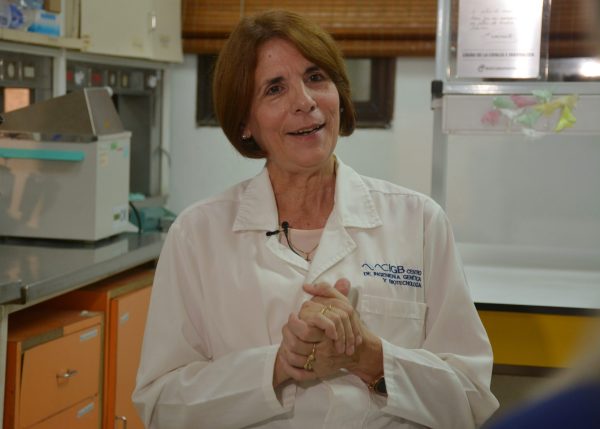
Interview with María del Carmen Domínguez Horta, Principal Specialist (Scientific Leader) of the Autoimmunity and Inflammation Project, from the Pharmaceutical Department of the Biomedical Research Directorate at CIGB
Origins of Jusvinza: What was its development goal?
Jusvinza is a molecule originally designed for the treatment of rheumatoid arthritis and other autoimmune diseases. Its active ingredient is a peptide, a fragment of the molecule involved in the inflammatory processes of various autoimmune diseases.
For the design of Jusvinza, we employed an innovative approach. We first used bioinformatics tools, which is very interesting and gave us excellent results in non-clinical evaluations. At the same time, the concept of Jusvinza differs from marketed drugs used to treat autoimmune diseases, as it focuses on regulating the inflammatory response: controlling inflammation, regulating it, but without inducing immunosuppression. 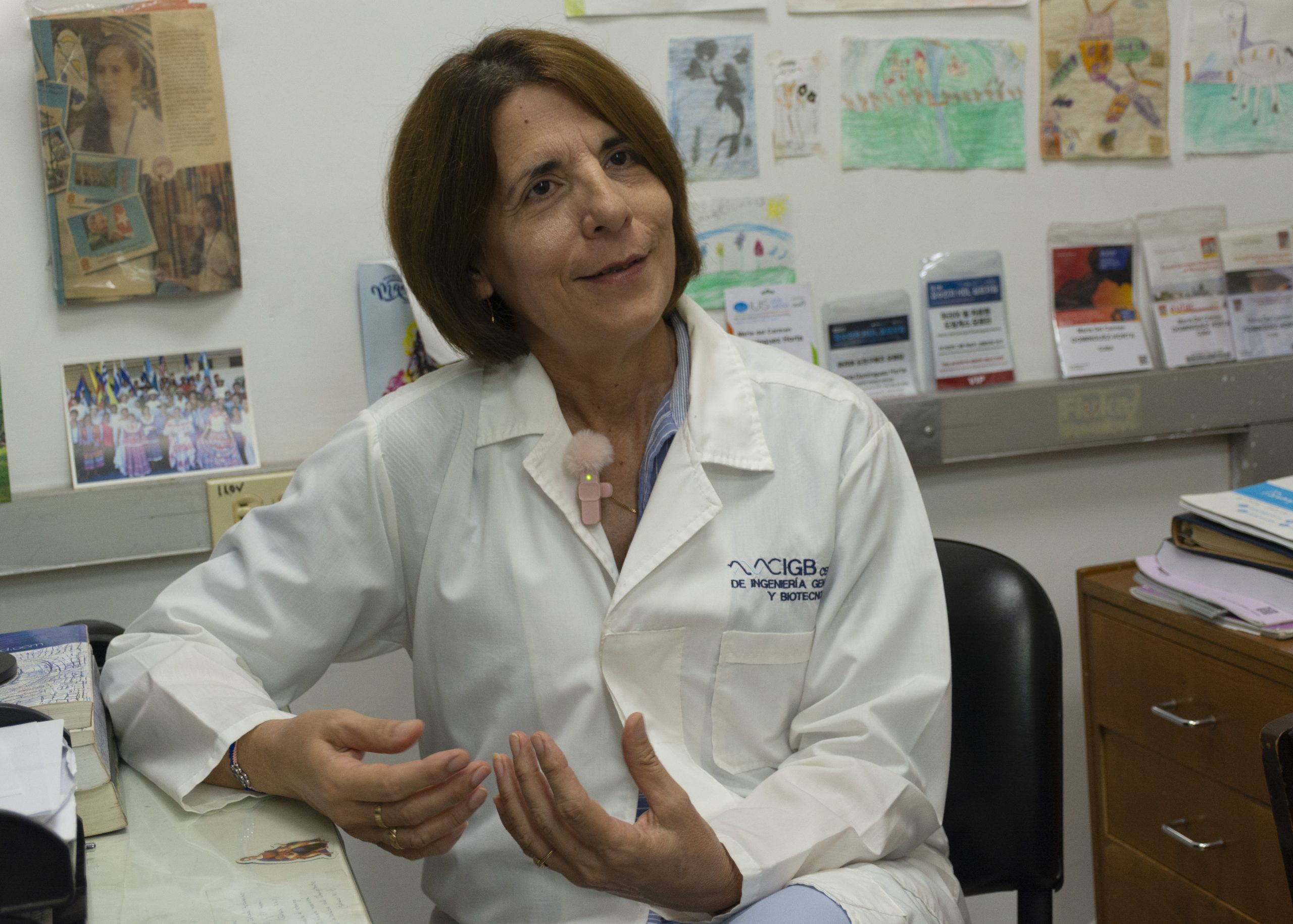
In biomedical research, obtaining a new drug takes many years of investigation. This project began in the early 2000s, was approved by the Scientific Council of the Center for Genetic Engineering and Biotechnology (CIGB), and then work was done on the molecular design, preclinical evaluations in experimental in vitro systems, and later in experimental biomodels, where the concept was demonstrated—that is, the drug had therapeutic effects for the diseases in question. Afterwards, other very important studies were conducted, such as toxicology studies, which demonstrated the drug’s safety. After Jusvinza showed positive results in these early research stages, the development of formulations for patient testing began.
Clinical evaluations followed. We started with Phase 1 clinical trials in rheumatoid arthritis, where we demonstrated Jusvinza’s safety and gathered preliminary evidence of its therapeutic effect. Based on these results, we moved to Phase 2 clinical trials. While we were precisely in the execution of these Phase 2 trials, the COVID-19 pandemic began worldwide and spread to Cuba. At that time, one of the alternatives used to treat hyperinflammation in severe and critical COVID-19 patients was Jusvinza. Back then, our people knew it by the code CIGB-258. The results were positive, and this drug was incorporated into the Cuban COVID-19 treatment protocol, which helped reduce mortality in these patients before Cuba had its own vaccines. Jusvinza was also used to treat pregnant women, postpartum women, and children who suffered from severe forms of COVID-19, and the results were positive and satisfactory.
From the perspective of basic research, we continue to gather evidence on this molecule’s mechanism of action. It is a very interesting molecule because it regulates inflammation without causing immunosuppression, by inducing regulatory T cell clones and inhibiting other white blood cells involved in these inflammatory processes.
Now, with the new contingency of the Chikungunya virus, Jusvinza’s mechanism of action supports its use for treating arthritis-associated sequelae that patients suffer—that is, joint inflammation and other systemic complications. We have already presented results from clinical trials conducted with rigorous scientific methods in the post-acute and chronic phases of Chikungunya virus infection.
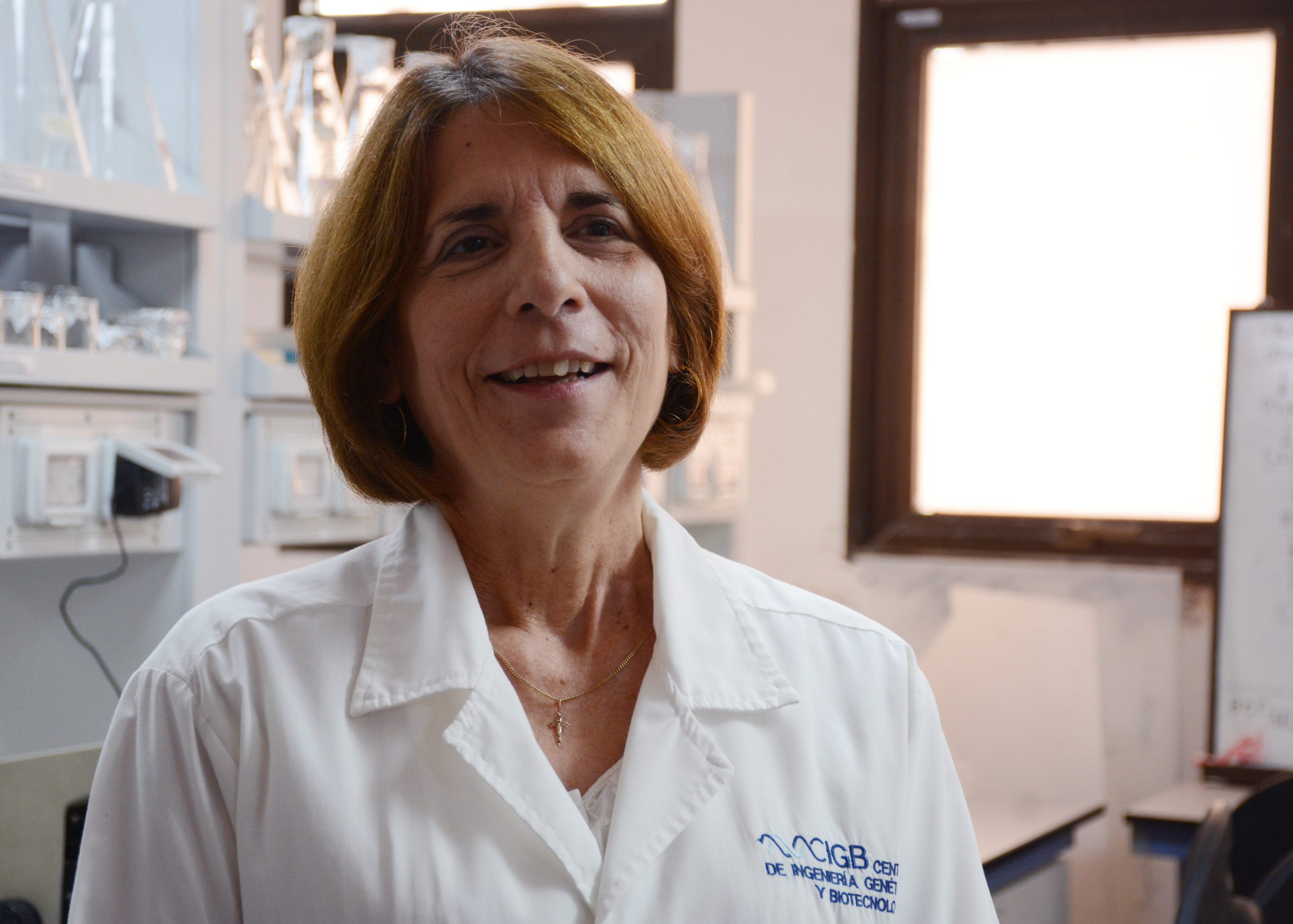
What is the future of Jusvinza? Is it being studied for other conditions?
We are focused on further deepening our understanding of Jusvinza’s mechanism of action and publishing these results in high-impact journals for the international scientific community—something we have been working hard on over the years. At the same time, the drug’s potential to regulate the magnitude of inflammation without causing immunosuppression leads us to study it in other autoimmune diseases that are also major health problems, such as lupus erythematosus, ankylosing spondylitis, psoriasis, and other inflammatory diseases.
We are currently conducting a clinical trial in community-acquired pneumonia, based on the beneficial effects achieved with Jusvinza in treating COVID-19-associated pneumonia. In summary, Jusvinza has potentials that we must explore and direct in order to help our patients and our people.
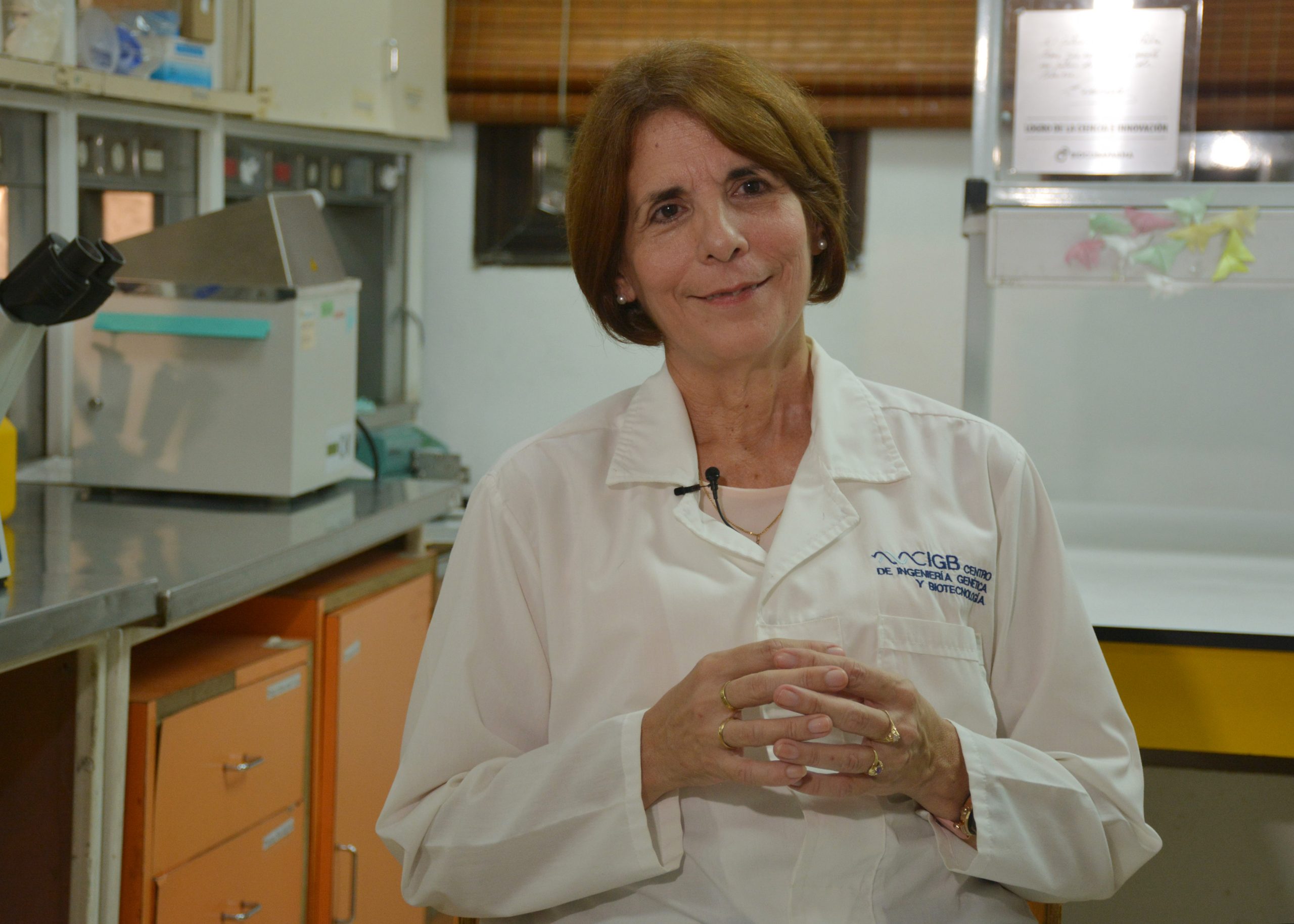
What does a product like Jusvinza represent in your life as a scientist?
Jusvinza is part of my life; it’s like another child, to whom I have dedicated many years of research, effort, study, and work. Along with a team of researchers from different areas of the center, who have supported me tremendously. Jusvinza is a great team.
With these studies we are conducting on post-Chikungunya arthritis and what it has meant, I never thought that, at such a difficult time for our people, we could help patients in pain with this molecule. It is truly very moving and generates even more commitment in me, because we must continue to explore all of Jusvinza’s potential in order to always help our patients.
It is a reward I received that I never thought I would have. These diseases are very complex: rheumatoid arthritis, autoimmune diseases. Finding a solution, a cure, is very difficult. So you give yourself with passion and dedication. But then, when you see that this product was used to treat a child, for example, with a severe form of COVID-19, and the mother looks for your phone number and thanks you, or a pregnant woman or a patient’s relative—that rewards all the effort we have made, which is nothing more than fulfilling our duty as researchers.