
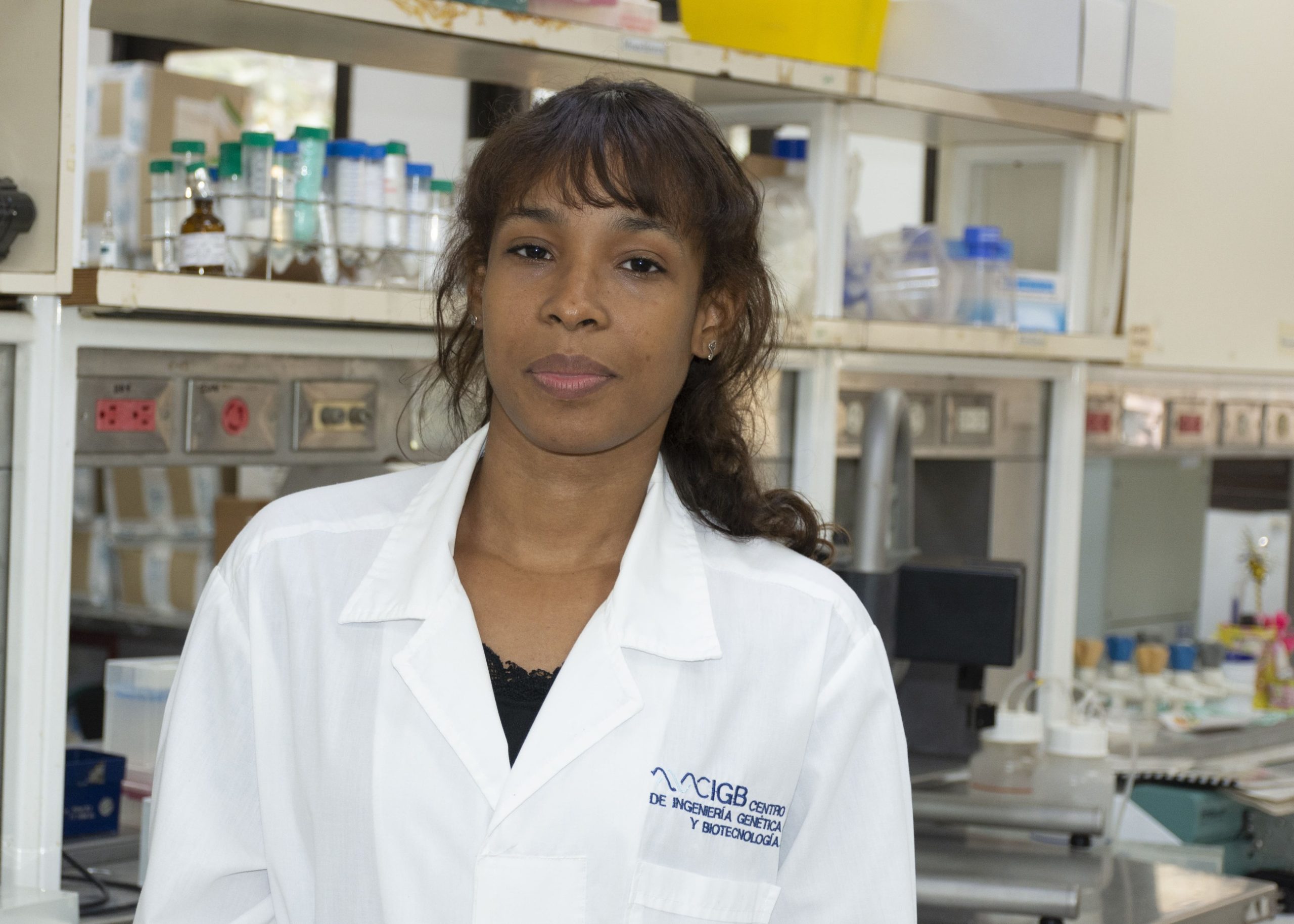
Conversation with MSc. Anabel Serrano Díaz
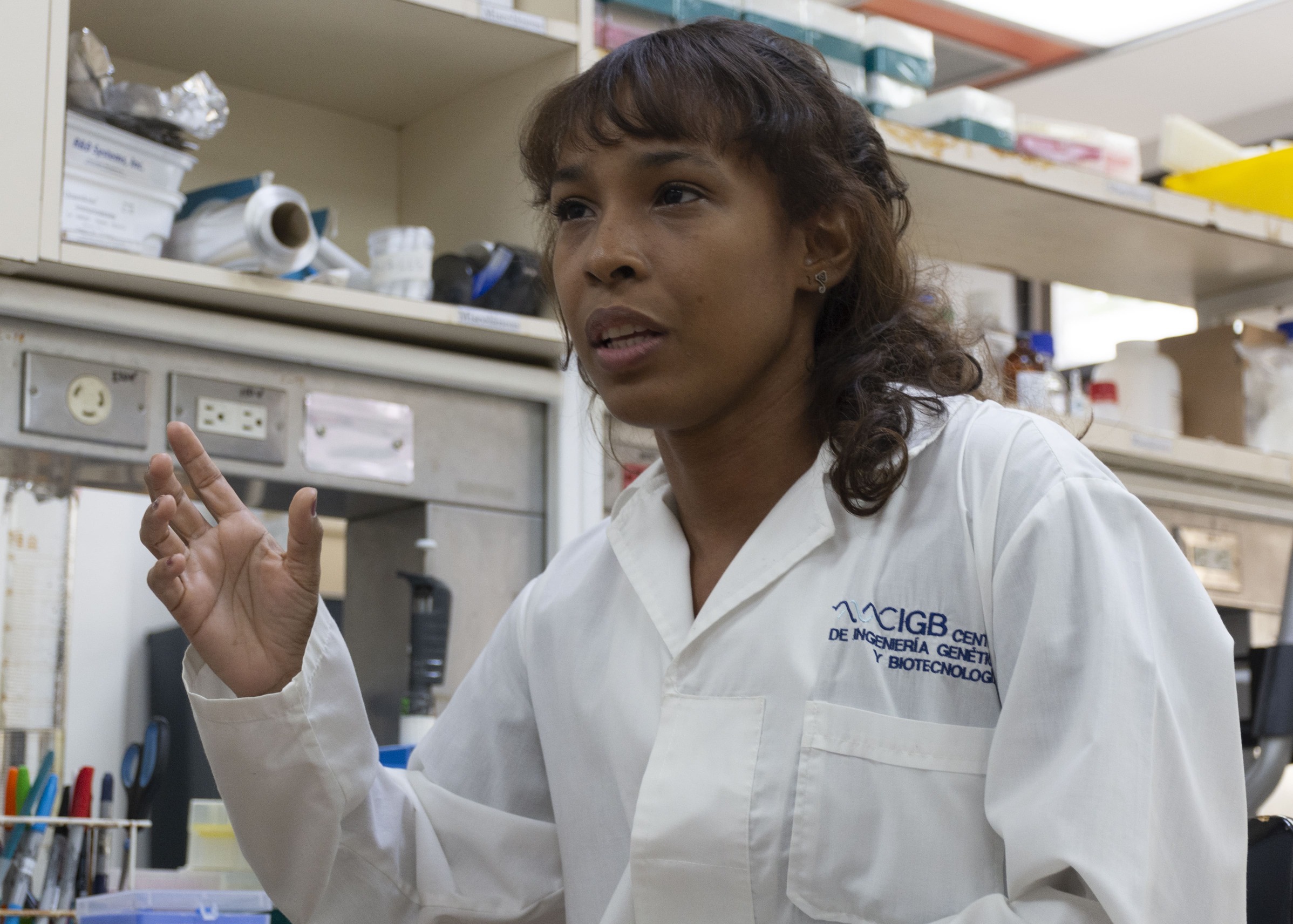 I am a researcher in the Autoimmunity and Inflammation Project at the Center for Genetic Engineering and Biotechnology (CIGB). Initially, the project was called only Autoimmunity, because the pharmaceutical candidate was conceived to treat autoimmune diseases such as rheumatoid arthritis. However, after COVID-19, it was used in severe and critical patients to treat the inflammation associated with the disease. That’s when Inflammation was added to the name, as the use of the candidate expanded to other therapeutic niches.
I have been working at CIGB for six years, and I started exactly with this project. During a restructuring period in the sector, I met Dr.C. María del Carmen Domínguez, who interviewed me, and that’s how my connection began. From the moment she described the project to me, I found it very interesting: it already had results from a phase 1 clinical trial, and a phase 2 clinical trial was underway. Reaching that stage implies years of study, but there were still many factors to investigate about this peptide. Moreover, the project focuses on the field of immunology, which is the area I like most within biochemistry, my field of study.
My trajectory in the project is still short, but almost all the results have had an impact for CIGB and, above all, for people’s health. We have seen that impact in clinical trials, in the subsequent intervention in the eastern provinces (the Mariana study), and in the patients’ progress, which we were able to witness firsthand during a visit to clinical sites. During COVID-19, the drug also demonstrated an impact on patient survival, which is the main goal of any pharmaceutical treatment. Additionally, we have seen very positive results in patients with post-Chikungunya arthritis. All of this makes me proud and keeps me motivated.
Generally, biopharmaceutical projects take many years to reach people: in vitro studies, tests in non-clinical biomodels, and then trials in patients. In our current stage, we continue conducting laboratory research that also generates motivating results. Every time we formulate a hypothesis about the peptide’s mechanism of action and perform experiments that validate it, we take a step forward. But seeing the drug’s impact on patients’ health is the main motivation for anyone working in the biopharmaceutical sector.
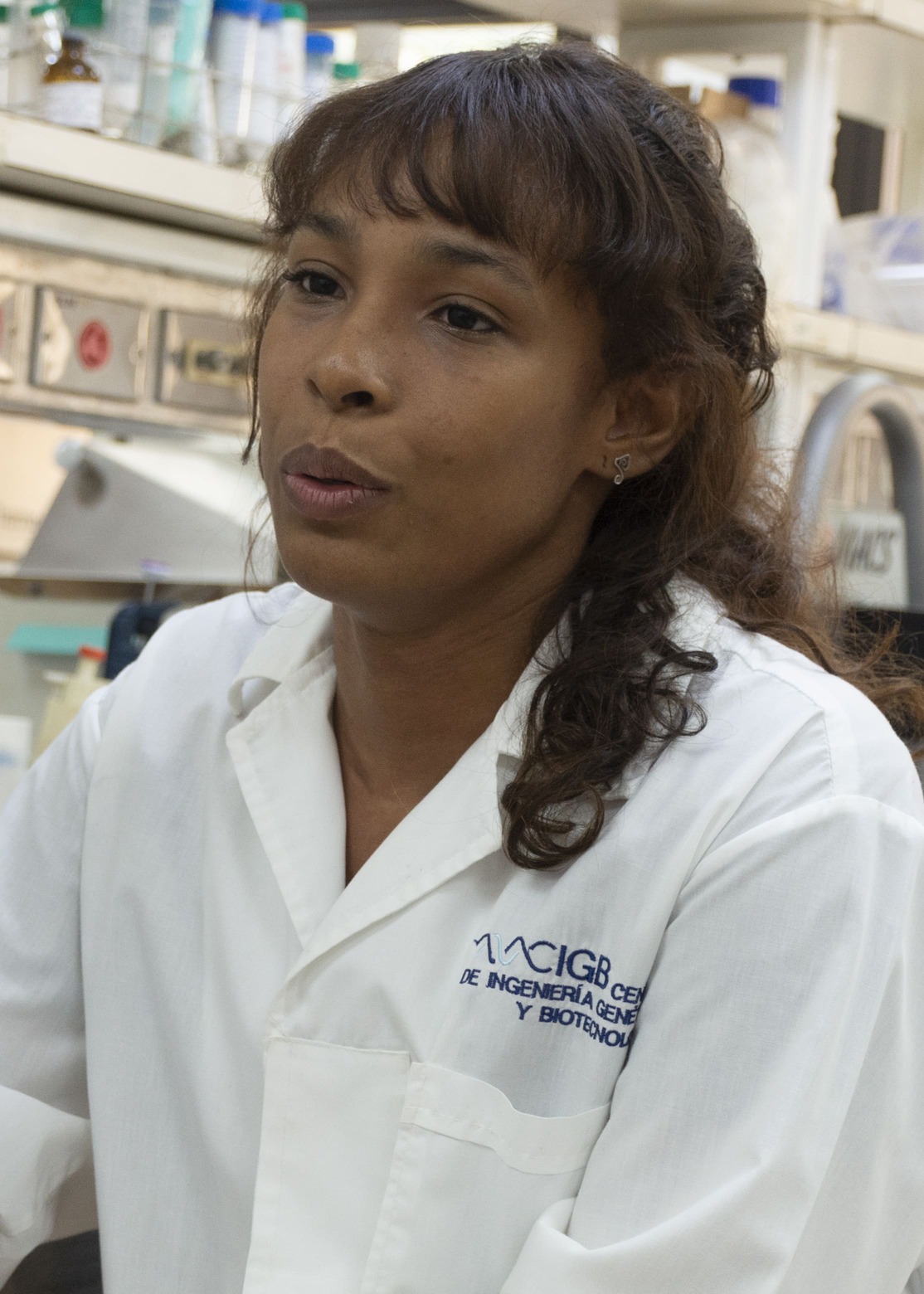 So far, I have only worked with this drug, and in all its uses in patients, it has induced positive responses. With new drugs, there are always two possibilities: that they do not improve the condition, or that they have a negative impact without resolving the disease. That is why ethics are vital in our profession, especially when patients’ lives are at stake. It is necessary to accept the results, redirect the research, or, in some cases, know when to say “this far and no further.” Although I have not yet faced a negative situation with patients —in the laboratory, some experiments do fail— I know that ethics must guide us.
In our laboratory, there are four researchers in the Jusvinza basic research project, each with their own field. My routine consists of studying, analyzing the results of the latest experiments —I currently have two pending analysis— and designing new in vitro and non-clinical biomodel evaluation protocols to study the product’s mechanism of action and validate its anti-inflammatory effect in other possible diseases. These tests are necessary to consolidate the drug in Cuba and internationally, and to support its evaluation in new niches.
The stage I enjoy the most is the experimental part: designing, testing, executing. Although some days are very intense, when you’re doing something you love, you barely notice it. The part that gratifies me the most is contact with patients, but the one I am most passionate about is the experimental part.
The Julio Antonio Mella Order is the highest distinction awarded by the UJC (Union of Young Communists), and it recognizes an important contribution in defense, work, or study. In my case, I consider it recognition of the work carried out from COVID-19 to the present. I think it is recognition of all the young people who practice science in the country, and that through me, the recognition was also intended for the young people of CIGB and the impact of their results. I am a representative of science working on a project of great importance to the country. I am also a UJC member, I serve on the secretariat of the base committee of the Biomedical Research area, and I participate in the activities we organize. That is why I understand that this distinction recognizes the work of young people in the science sector in Cuba.
comments on